Dry and brittle beard? Are you looking for a natural and cost-effective solution to nourish and tame your facial hair? Look no further than DIY beard oils!
In this article, we will explore the importance of beard oils, the benefits of making your own, the essential ingredients you’ll need, a step-by-step guide to making your own beard oil, tips for customizing your blend, and important safety precautions to keep in mind.
Understanding the Importance of Beard Oils

Beard oils are not just a trendy grooming product; they play a crucial role in maintaining the health and appearance of your beard. They provide much-needed hydration to your facial hair and the underlying skin, which can help prevent dryness, itching, and flakiness.
Additionally, beard oils help to protect and soften the hair follicles, making your beard more manageable and reducing the dreaded “beardruff.”
When it comes to beard care, using the right products is essential. Beard oils are specifically formulated to address the unique needs of facial hair. The skin on your face is different from the skin on the rest of your body, and it requires special attention.
Without proper hydration, your beard can become dry and brittle, leading to breakage and an unkempt appearance. Beard oils provide the necessary moisture to keep your facial hair healthy and vibrant.
Not only do beard oils moisturize your beard, but they also nourish the skin underneath. This is important because the skin beneath your beard can easily become dry and irritated due to the lack of exposure to air and constant friction from the hair. By applying beard oil regularly, you can prevent dryness, itching, and flakiness, keeping your skin comfortable and healthy.
Benefits of Using Beard Oils
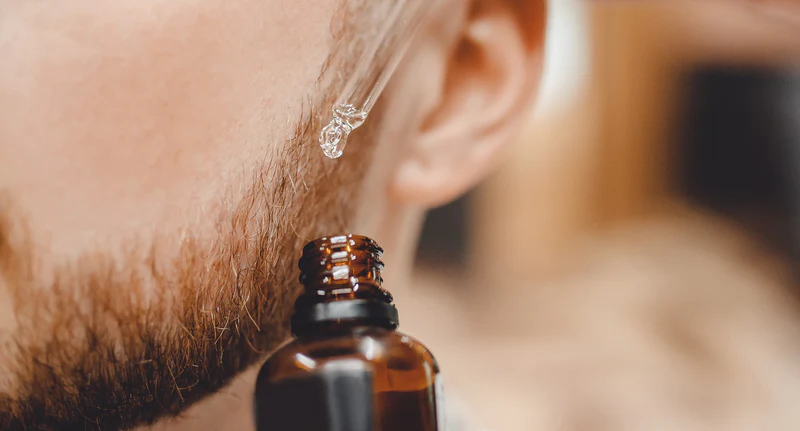
Using beard oils regularly brings a multitude of benefits to your facial hair and skin. Firstly, the moisturizing properties of beard oils can help reduce breakage and split ends, making your beard appear fuller and healthier. When your beard is well-hydrated, it becomes more flexible and less prone to breakage. This means that you can grow your beard longer without worrying about it looking unruly or damaged.
In addition to preventing breakage, beard oils can also help soothe and prevent skin irritations such as razor burn and ingrown hairs. The natural ingredients in beard oils have anti-inflammatory properties that can calm irritated skin and reduce redness. This is especially beneficial for those who experience discomfort after shaving or have sensitive skin.
Furthermore, the natural ingredients found in many beard oils offer additional benefits beyond moisturization and soothing properties. Some oils, such as jojoba oil and argan oil, are known for their ability to promote hair growth.
These oils nourish the hair follicles, stimulating growth and making your beard appear fuller and thicker over time. Other oils, like grapeseed oil and vitamin E oil, provide antioxidant support for the skin, protecting it from free radicals, sun and environmental damage.
Why Choose DIY Over Store-Bought Beard Oils

While there are plenty of store-bought beard oils available, making your own gives you complete control over the ingredients and allows for customization based on your preferences.
Commercially-produced beard oils may contain synthetic fragrances or additives that could irritate your skin or have unknown long-term effects. By making your own, you can use high-quality carrier oils and essential oils of your choice, ensuring that your beard oil is free from any harmful chemicals or allergens.
Creating your own beard oil also allows you to experiment with different combinations of oils to find the perfect blend for your beard. Each person’s beard is unique, and what works for one may not work for another. By making your own beard oil, you can tailor it to suit your specific needs and preferences. Whether you prefer a light, citrusy scent or a more earthy aroma, the possibilities are endless when you take the DIY route.
Additionally, making your own beard oil can be a fun and rewarding experience. It allows you to connect with your grooming routine on a deeper level and gives you a sense of accomplishment knowing that you are using a product that you created yourself. Plus, it can be a great way to save money in the long run, as homemade beard oils are often more cost-effective than their store-bought counterparts.
Essential Ingredients for DIY Beard Oils

Before diving into the world of DIY beard oil making, it’s important to familiarize yourself with the essential ingredients you’ll need. The two main components of beard oils are carrier oils and essential oils.
Creating your own beard oil blend allows you to customize the scent and benefits to suit your personal preferences and needs. Not only will your beard oil makes you look and feel amazing, but you’ll also enjoy the therapeutic benefits of the carefully selected ingredients.
Carrier Oils and Their Properties
Carrier oils are the base oils of your beard oil blend and provide the primary moisturizing and nourishing effects. They are derived from various plants and seeds, each offering its own unique properties.
Jojoba oil, often referred to as “liquid gold,” is a popular carrier oil for beard oils. It closely resembles the natural oils produced by the skin, making it easily absorbed and non-greasy. It moisturizes the skin beneath the beard, preventing dryness and itchiness.
Argan oil, known for its luxurious properties, is another excellent choice. It is rich in vitamin E and fatty acids, which promote healthy beard growth and add shine to your facial hair. Argan oil is also known to tame frizz and soften coarse beard hairs.
Sweet almond oil, with its light texture and mild scent, is a versatile carrier oil that suits all skin types. It nourishes the skin, reduces inflammation, and adds a silky smoothness to your beard.
Essential Oils for Fragrance and Health Benefits
In addition to carrier oils, essential oils are used to provide fragrance and additional health benefits to your beard oil. Essential oils are highly concentrated plant extracts and minerals that offer a wide range of therapeutic properties.
Cedarwood essential oil not only adds a warm and woodsy scent to your beard but also has antimicrobial properties. It helps keep your beard clean and fresh by preventing bacterial growth. Cedarwood oil is also known to promote relaxation and reduce stress.
Lavender essential oil, with its calming and floral aroma, is a popular choice for beard oils. It has antimicrobial and anti-inflammatory properties, making it beneficial for soothing irritated skin and reducing beardruff. Lavender oil also promotes a sense of tranquility and aids in sleep quality.
Tea tree essential oil, with its refreshing and invigorating scent, is a powerful antimicrobial agent. It effectively combats bacteria, fungi, and other microorganisms that may cause skin issues. Tea tree oil also helps to unclog hair follicles, promoting healthy beard growth.
Additional Ingredients for Extra Nourishment
If you want to take your beard oil to the next level, you can add some extra nourishing ingredients to enhance its effects. These ingredients provide additional benefits for both your beard and the underlying skin.
Vitamin E oil is a popular choice as it acts as a natural preservative, prolonging the shelf life of your beard oil. It also provides added antioxidant benefits, protecting your skin and beard from free radicals and environmental damage.
Rosemary oil, derived from the aromatic herb, is known for its stimulating properties. It promotes blood circulation to the hair follicles, encouraging hair growth and thickness. Rosemary oil also has a refreshing scent that invigorates the senses.
Castor oil, a thick and viscous oil, is renowned for its hair growth properties. It contains ricinoleic acid, which helps nourish and strengthen the hair follicles. Adding castor oil to your beard oil can contribute to a fuller and healthier-looking beard.
Experimenting with different combinations of carrier oils, essential oils, and additional ingredients allows you to create a beard oil blend tailored to your specific needs and preferences. Enjoy the process of crafting your own unique beard oil and reap the benefits of a well-groomed and nourished beard.
Step-by-Step Guide to Making Your Own Beard Oil
Now that you have a good understanding of the essential ingredients, let’s dive into the process of making your own beard oil.
Creating your own beard oil can be a rewarding and personalized experience. Not only does it allow you to tailor the scent and consistency to your liking, but it also ensures that you are using high-quality, natural ingredients that are beneficial for your beard and skin.
Preparing Your Workspace
Before you begin, it is important to set up a clean and well-ventilated workspace. This will ensure that your ingredients remain uncontaminated and that you can work comfortably. Clear any clutter and make sure you have enough space to move around.
Gather all the necessary tools and ingredients. You will need measuring utensils, glass dropper bottles, labels, carrier oils, and essential oils. It is essential to use glass dropper bottles as they help preserve the integrity of the oils and prevent any unwanted reactions with plastic containers.
Once you have everything ready, take a moment to sterilize the glass dropper bottles. Wash them with warm, soapy water, ensuring that you clean both the inside and outside of the bottles. Rinse them thoroughly and let them air dry. This step is crucial to maintain the hygiene and longevity of your DIY beard oil.
Mixing Your Ingredients
Now that your workspace is prepared, it’s time to start mixing your ingredients. Begin by measuring out the desired amounts of carrier oils and essential oils. You can use a kitchen scale for precise measurements or measuring spoons if you don’t have a scale. It is recommended to start with a small batch, using equal parts carrier oils.
When it comes to essential oils, the amount you use will depend on your personal preference and the desired scent strength. Start by adding a few drops of essential oil to the carrier oil blend and gradually increase the amount until you achieve the desired aroma. Remember, essential oils are potent, so a little goes a long way.
Once you have measured out your oils, it’s time to mix them together. Use a glass measuring cup or bowl to combine the carrier oils and essential oils. Stir or whisk the oils thoroughly, ensuring that they are well-blended. This step is crucial to create a harmonious and balanced beard oil blend.
Storing and Using Your DIY Beard Oil
Now that you have successfully mixed your DIY beard oils, it’s time to transfer it into the sterilized glass dropper bottles. Carefully pour the oil mixture into the bottles, ensuring that they are tightly sealed to prevent any leakage or oxidation.
Once your DIY beard oil is bottled, it’s important to store it properly. Find a cool, dark place to keep your beard oil. Exposure to heat and sunlight can degrade the quality of the oils and reduce their efficacy. By storing it in a cool and dark place, you can maintain the freshness and potency of your homemade blend.
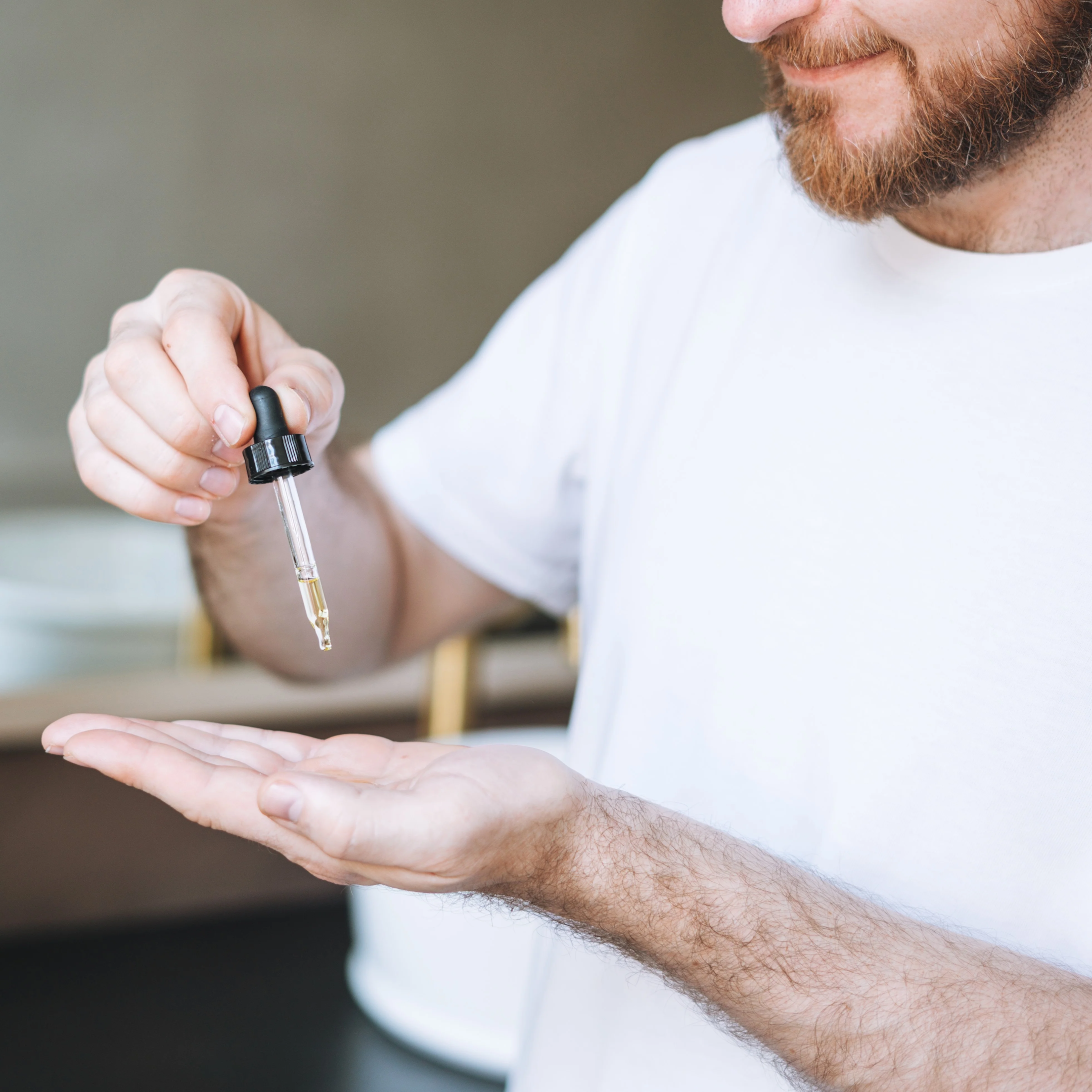
Using your DIY beard oil is a simple and enjoyable process. When you’re ready to apply the oil, simply squeeze a few drops onto your palms. Rub your hands together to warm the oil and distribute it evenly. Gently massage the oil into your beard and skin, ensuring that every strand is coated. Enjoy the nourishing and invigorating sensation as your beard absorbs all the goodness of the DIY blend.
Remember, consistency is key when using beard oil. Incorporate it into your daily grooming routine to reap the full benefits. With regular use, you’ll notice your beard becoming softer, healthier, and more manageable.
Customizing Your Beard Oil Blend

Now that you have mastered the art of blending and making your own DIY beard oils, it’s time to unleash your creativity and customize your blend to suit your preferences.
Creating a Scent Profile
Experiment with different combinations of essential oils to create your own unique scent profile. Whether you prefer a woody, citrusy, or herbal fragrance, there are endless possibilities for crafting a scent that truly represents your personality. Keep track of your favorite combinations so that you can recreate them in the future.
Adjusting for Skin Type and Beard Texture
If you have specific skin concerns, such as dryness or acne-prone skin, you can tailor your carrier oil selection accordingly. For example, jojoba oil is an excellent choice for oily or acne-prone skin, while argan oil is more suitable for dry or sensitive skin. Similarly, if you have a coarse or curly beard, you may opt for heavier carrier oils like castor oil to add extra moisture and tame frizz.
Safety Tips and Precautions

While DIY beard oils are generally safe to use, it is essential to keep a few safety tips and precautions in mind.
Understanding Essential Oil Safety
Essential oils are highly concentrated and should never be applied directly to the skin without dilution. Always follow recommended dilution ratios and conduct a patch test on a small area of your skin to check for any allergic reactions before using the beard oil on your entire beard and face.
Allergy Testing Your Beard Oil Blend
Even if you are using all-natural ingredients like olive oil, it is still possible to have an allergic reaction. Perform an allergy test by applying a small amount of the beard oil to your forearm and monitoring for any adverse reactions such as redness, itching, or swelling. If any discomfort occurs, discontinue use immediately.
Proper Storage and Shelf Life of Beard Oils
To maintain the freshness and effectiveness of your DIY beard oils, store it in a cool, dark place away from direct sunlight or extreme temperatures. Properly stored beard oils can typically have a shelf life of 6 to 12 months, but it’s always a good idea to regularly check for any signs of rancidity or spoilage.
In conclusion, DIY beard oils are not only a fun and satisfying project but also a fantastic way to take care of your beard naturally. With the right ingredients and a little creativity, you can create a beard oil blend that nourishes, softens, and enhances the health of your facial hair.
So why wait? Start making your very own beard oil recipe today and experience the joys of a well-groomed and utterly handsome beard!

